
AI Dramas: How AI Micro-Dramas Are Made and Why Apps Are Switching (2027 Guide)
 9 min read
AI dramas are vertical short drama series, the 1 to 2 minute episodes people binge on apps like ReelShort, DramaBox or TikTok, where the actors, sets and voices are generated with AI instead of being filmed. In 2026 they went from experiment to the majority of new releases, in China first and now on Western apps.
This guide explains what an AI micro-drama is, how big the shift has become, how a season is actually produced, what it costs compared with live-action, the rules on labelling, and what it means if you run a short drama app.
In short: an AI micro-drama keeps the storytelling of live-action micro-dramas (a hook in seconds, a twist every episode, a cliffhanger at the end) but replaces the shoot with AI-generated characters, scenes and voices. Industry trackers estimate that around two-thirds of new releases on the top platforms outside China were AI-made in Q3 2026, and AI studios report hourly costs several times lower than live-action vertical series. The hard parts are story quality and keeping the cast consistent for 60+ episodes.
What is an AI micro-drama?
A micro-drama (also called a short drama, vertical drama or microdrama) is a series shot in 9:16 for the phone: usually 40 to 80+ episodes of 1 to 2 minutes, built on high-intensity genres like romance, billionaire CEO stories, revenge, family drama, fantasy and werewolf. The first episodes are free; viewers pay with coins or a subscription to unlock the rest.
An AI micro-drama, or AI short drama, is the same product made without a camera. Writers still write the beat sheet and the scripts, but the cast, the locations, the performances and often the voices are generated by AI video and audio models, then edited, scored and subtitled like any other series.
| Live-action micro-drama | AI micro-drama | |
|---|---|---|
| Format | 9:16, 1–2 min episodes | 9:16, 1–2 min episodes |
| Cast | Actors, casting, scheduling | AI characters built from character sheets |
| Locations | Real sets, permits, travel | Generated sets, reusable across seasons |
| Voices | Recorded on set or dubbed | Generated voices, easier to localise |
| Main risk | Budget and slow slate | Story quality and character drift |
How big AI dramas have become
The numbers moved fast in 2026:
- China went AI-first: the NRTA, China's broadcast regulator, reports about 430,000 micro-dramas released online from January to August 2026, with more than 90% AI-generated, according to a compilation by Vertical Observer.
- Western apps followed: analytics firm Owl & Co. estimates that two-thirds of Q3 2026 releases on 20 top platforms outside China were AI-made, up from 3% in Q1 and 28% in Q2.
- Viewers watch them: TikTok says AI content made up 40% of short-drama viewing time in the first half of 2026 (company figure), and Owl & Co. found an AI title topped ReelShort by minutes watched in Q3.
- Search interest exploded: in the US, monthly Google searches for "ai drama" grew from a few hundred at the start of 2026 to more than 12,000 in October, and "ai short drama" from almost nothing to several thousand.
The evidence on audience demand is still mixed. Owl & Co. also found that live-action titles were more likely to stay in the top 10% after 30 days, so the winners are the AI shows with strong stories, not the cheapest ones.
How an AI micro-drama season is made
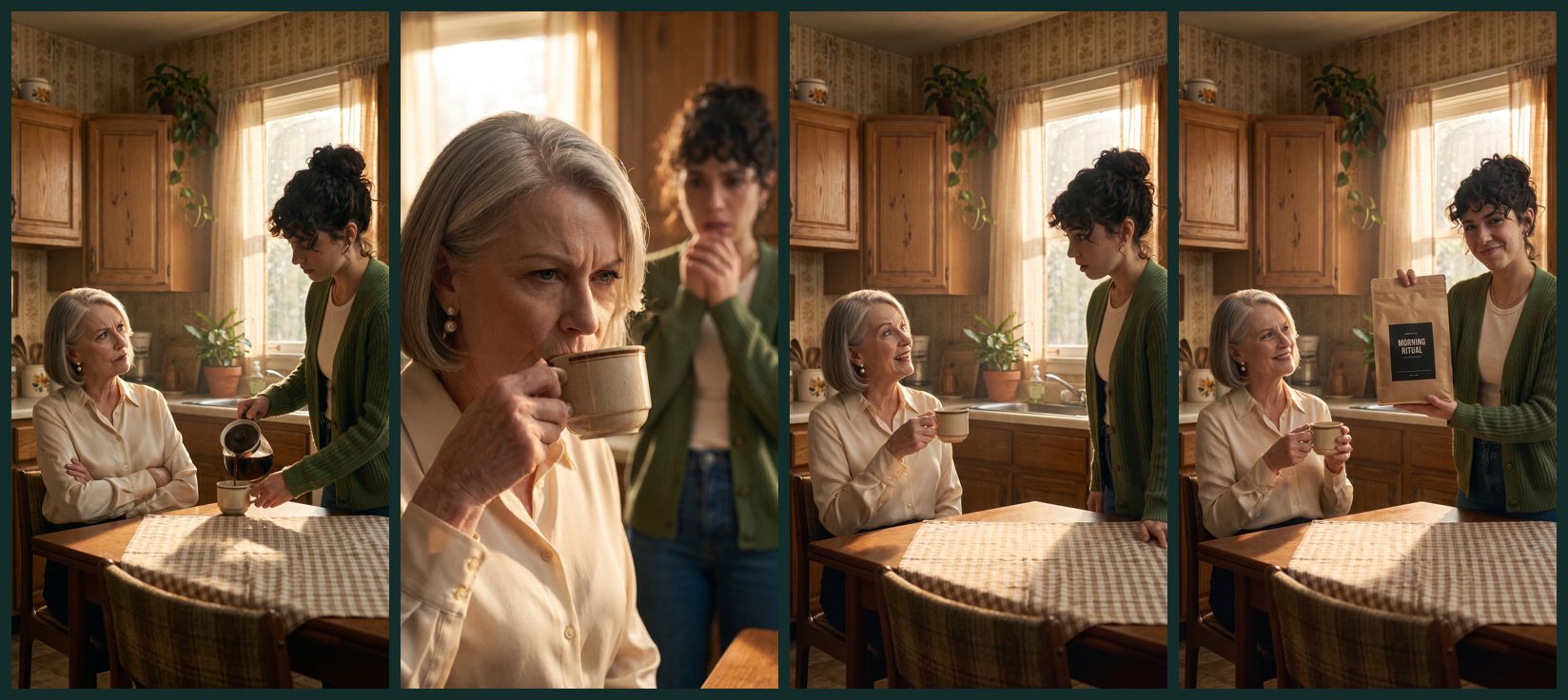
- Story and beat sheet: genre, premise, the arc of the season and where the paywall sits. Each episode needs a hook, a twist and a cliffhanger.
- Episode scripts: dialogue written for the phone, with short scenes and close-ups. TheWrap describes showrunners feeding about a page of dialogue, roughly one minute of content, into the generation engine at a time.
- Character and location sheets: every character gets a fixed face, body, wardrobe and voice; every location gets reference images. This is what keeps episode 60 looking like episode 1.
- Shot generation: each shot is generated from the references with video models that handle dialogue and lip-sync (Veo 3.1, Kling 3.0, Seedance 2.x and similar).
- Edit, music, subtitles: fast cuts, music stings on the twists, burned-in subtitles for sound-off viewing, and an end-of-episode cliffhanger.
- Localisation: the same season re-voiced and re-subtitled for other markets, without a reshoot.
AI-native studios interviewed by TheWrap put scripting at 10 days to a month and production at about a month per season. Holywater, owner of the My Drama app, reports cutting production time per title from 12 weeks to two.
What AI dramas cost compared with live-action
| Source | Live-action | AI |
|---|---|---|
| AI studio quoted by TheWrap (per hour of content) | About $150,000 for a vertical series | $20,000 to $30,000 |
| DataEye estimate, China (per title) | About RMB 1.5 million | Under RMB 200,000 |
| Holywater (production time per title) | 12 weeks | 2 weeks |
These are company figures and estimates, not audited costs, and they vary a lot with genre, episode count and quality. The direction is consistent: AI cuts the cost of a season by several times and the time by even more, which lets apps test more stories and more markets for the same budget.
Rules: labelling AI dramas
- China: NRTA Order No. 16, in force since 1 September 2026, requires AI-generated micro-dramas to carry a visible AI label in every episode, and apps must show the model name and filing number of the AI service used.
- European Union: Article 50 of the EU AI Act has applied since 2 August 2026. Deep fakes must be disclosed; for clearly fictional works, the disclosure can be done in a way that doesn't spoil the viewing.
- Likeness and voices: using a real person's face or voice needs their permission. A fully invented AI cast avoids the problem.
- Platforms: TikTok, Meta and YouTube all have AI labels for realistic AI content. Follow the rules of each store and market you publish in.
Common mistakes with AI dramas
- Cheap stories: AI makes production cheap, not writing. Most AI titles flop; the ones that win have scripts as strong as live-action hits.
- Drifting faces: if a character changes between episodes, viewers notice immediately and churn.
- Uncanny performances: stiff expressions and off lip-sync break the emotion the genre relies on. Close-ups need the most care.
- No cliffhanger discipline: every episode must end on a reason to unlock the next one, especially at the paywall.
- Ignoring labelling: missing AI labels can get a title pulled in some markets.
What it means if you run a short drama app
For apps, AI changes the economics of the slate. You can pilot a story before funding a full season, test genres you couldn't afford to shoot, and release the same show in several languages. The competitive edge moves from production budget to story and speed.
You can build an in-house AI team or work with a production partner. We cover the trade-offs, costs and what to ask a studio in how to outsource micro-drama production. If you want a season produced for your app, see our AI micro-drama production service.
Need AI micro-dramas for your app?
EditClub writes and produces AI vertical drama series for short drama apps: scripts, a consistent AI cast, voices, editing and subtitles, delivered as ready-to-upload 9:16 episodes. Start with a pilot.
See AI micro-drama productionWhat is an AI drama?
Are AI micro-dramas popular?
How much does it cost to make an AI micro-drama?
How long does it take to produce an AI drama season?
Do AI dramas have to be labelled?
Related reading: AI drama ads, the advertising version of the format, and how to make AI videos for ads.