
Virtual Influencer Examples: 16 AI Influencers and the Brands Behind Them
 9 min read
Virtual influencers have been around for a decade, from CGI pioneers like Lil Miquela to today's photorealistic AI models. Some are independent creators who sell sponsorships; others belong to brands and work as permanent spokespeople.
Here are the best-known virtual and AI influencers, the brands that built their own, and what each case teaches a brand thinking about creating one. Follower counts are approximate, from the analytics site CreatorDB in autumn 2026.
Key lesson: the most successful brand-owned virtual influencer, Lu do Magalu, has been the face of a retailer for years and became the most-followed virtual influencer in the world. Long-term consistency beats one-off stunts.
Independent virtual and AI influencers
| Influencer | Created | Country | Known for | |
|---|---|---|---|---|
| Lil Miquela | 2016, by Brud | US | ~2.3M | Prada, Calvin Klein, BMW |
| Noonoouri | 2018, by Joerg Zuber | Germany | ~460K | Dior, Valentino, a Warner Music deal |
| Aitana López | 2023, by a Barcelona agency | Spain | ~400K | Up to €10K a month, per her creators |
| Imma | 2018, by Aww Inc. | Japan | ~380K | Porsche Japan, IKEA Harajuku |
| Milla Sofia | 2023 | Finland | ~320K | Made with Stable Diffusion |
| Mia Zelu | 2025 | Not disclosed | ~280K | Viral fake Wimbledon posts |
| Shudu | 2017, by Cameron-James Wilson | UK | ~240K | Fenty Beauty, Balmain |
| Kenza Layli | by Myriam Bessa | Morocco | ~210K (2024) | Won the first Miss AI in 2024 |
Lil Miquela
The most famous virtual influencer, launched in 2016 by the LA startup Brud (acquired by Dapper Labs in 2021). Miquela took over Prada's Instagram during Milan Fashion Week in 2018, appeared in a Calvin Klein campaign with Bella Hadid in 2019, and fronted BMW's iX2 in 2023. Her lesson: a strong story and personality matter more than realism.
Aitana López
A Spanish AI model created in 2023. Her creators told Euronews she earns up to €10,000 in a good month, around €3,000 on average, and became the face of a supplement brand. She showed that a fully AI-generated, photorealistic influencer can earn like a human one.
Imma
A Japanese virtual model with a signature pink bob, launched in 2018. She has worked with Porsche Japan and starred in a 2020 IKEA Harajuku window display where she "lived" in the store for three days. Her signature look made her instantly recognisable.
Shudu and Noonoouri
Shudu, launched in 2017 by photographer Cameron-James Wilson, became one of the first "digital supermodels", featured with Fenty Beauty and Balmain. Noonoouri, a stylised character created in 2018, worked with Dior and Valentino and signed a music deal with Warner Music in 2023.
Mia Zelu: a cautionary tale
In July 2025, Mia Zelu posted realistic photos of herself at Wimbledon. Many followers, including a well-known cricketer, believed she was real; the AI disclosure was hidden in her bio. The story went viral for the wrong reasons and shows why clear disclosure matters.
Brand-owned virtual influencers
These are the cases that matter most for brands: virtual characters created and owned by the company itself.
| Brand | Virtual influencer | Year | What they did |
|---|---|---|---|
| Magazine Luiza | Lu do Magalu | 2003, YouTube 2009 | Brand face of a Brazilian retailer, ~55M followers across platforms (2022) |
| Mattel | Barbie vlogger | 2015 | Animated YouTube vlog, ~11M subscribers by 2023 |
| KFC | Virtual Colonel Sanders | 2019 | A CGI "influencer" Colonel that parodied the trend and posted sponsored content |
| Renault | Liv | 2019 | A virtual ambassador for the Kadjar SUV, on TV and Instagram |
| Puma | Maya | 2020 | A virtual influencer for Southeast Asia to launch a sneaker |
| Prada | Candy | 2021 | A virtual muse for the relaunch of the Candy fragrance |
| Mango | AI models | 2024 | A teen campaign shot on AI-generated models wearing real garments |
| H&M | Digital twins | 2025 | AI twins of 30 real models, who keep the rights to their likeness |
Lu do Magalu
The textbook example. Lu started as the virtual assistant of the Brazilian retailer Magazine Luiza and grew into its face on every channel: ads, product reviews, social media. By 2022 she was the most-followed virtual influencer in the world, with around 55 million followers across platforms. Her success came from years of consistency, not a single campaign.
Barbie
Mattel turned Barbie into a vlogger on YouTube in 2015. The animated channel grew from about 640,000 subscribers to more than 11 million by 2023, and gave the brand a direct, ongoing voice with its audience.
KFC's virtual Colonel
In 2019, KFC replaced its Instagram content with a CGI "hipster" Colonel Sanders who parodied virtual influencers, complete with sponsored posts for other brands. It showed that a virtual character can carry humour and self-awareness, not just beauty shots.
Mango and H&M
Fashion retailers are using AI models for campaigns: Mango shot a 2024 teen campaign entirely on AI-generated models wearing real garments, and H&M announced AI "digital twins" of real models in 2025. The model is shifting from a single mascot to AI talent used across a whole content production.
Guess: what not to do
In 2025, Guess ran a print ad in US Vogue with AI-generated models and only a small disclaimer. The backlash was immediate. The lesson is the same as Mia Zelu's: be open about AI from the start.
What these examples teach brands
- Consistency wins. Lu do Magalu and Barbie succeeded through years of presence, not one stunt.
- A signature look makes the character. Imma's pink bob, Miquela's space buns: recognisable in a thumbnail.
- Personality beats realism. The most-followed virtual influencers have opinions, humour and a story.
- Disclose clearly. Hidden AI turns into backlash; open AI turns into curiosity.
- Own it if you can. A brand-owned influencer can't work for a competitor, and every asset it produces belongs to you.
What a brand-owned AI influencer looks like in 2026
What took Brud a team of 3D artists in 2016 can now be built with generative AI in a few weeks, including talking video. Juno, below, is a demo influencer we created to show the process: one persona, one consistent face, many scenes.
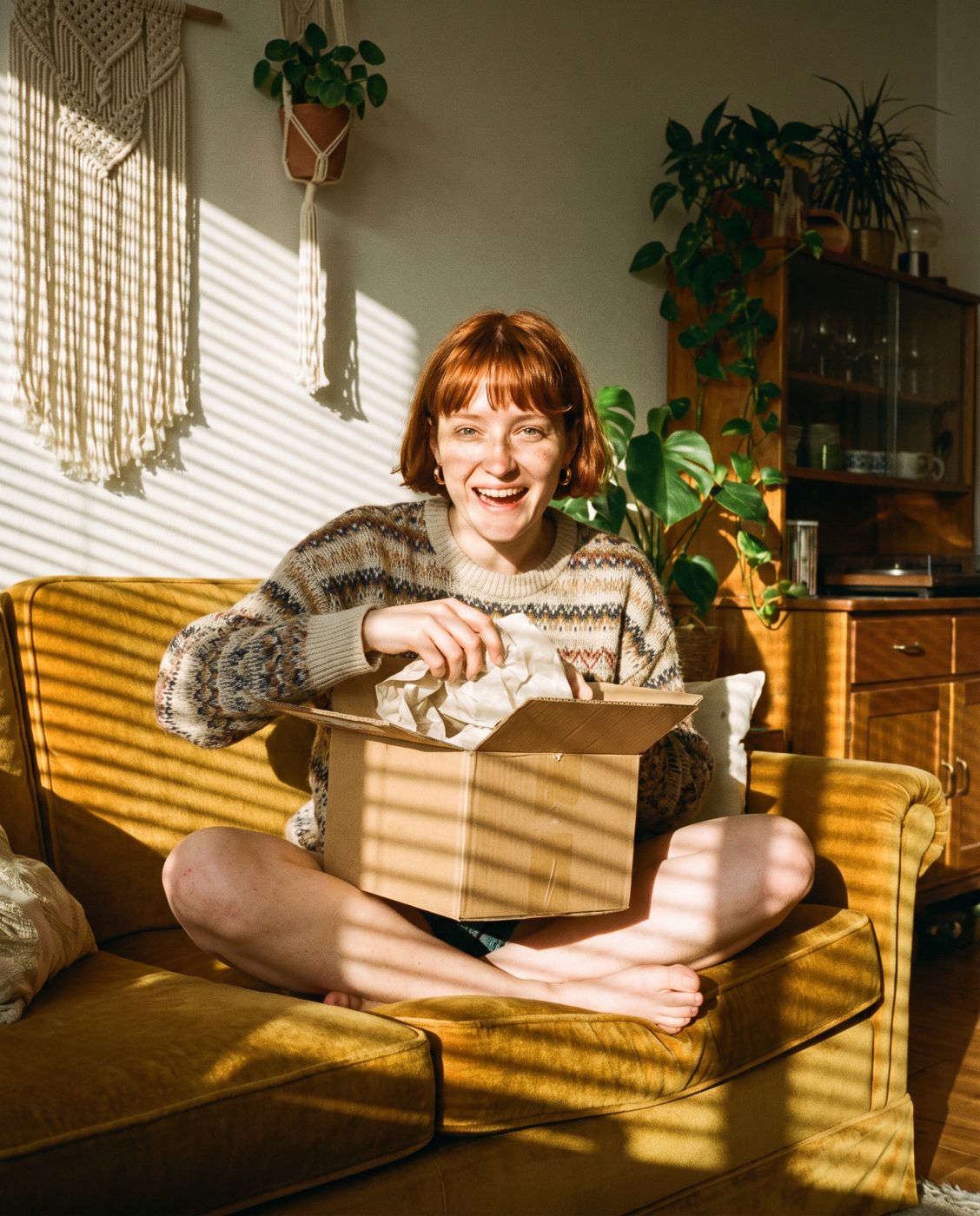
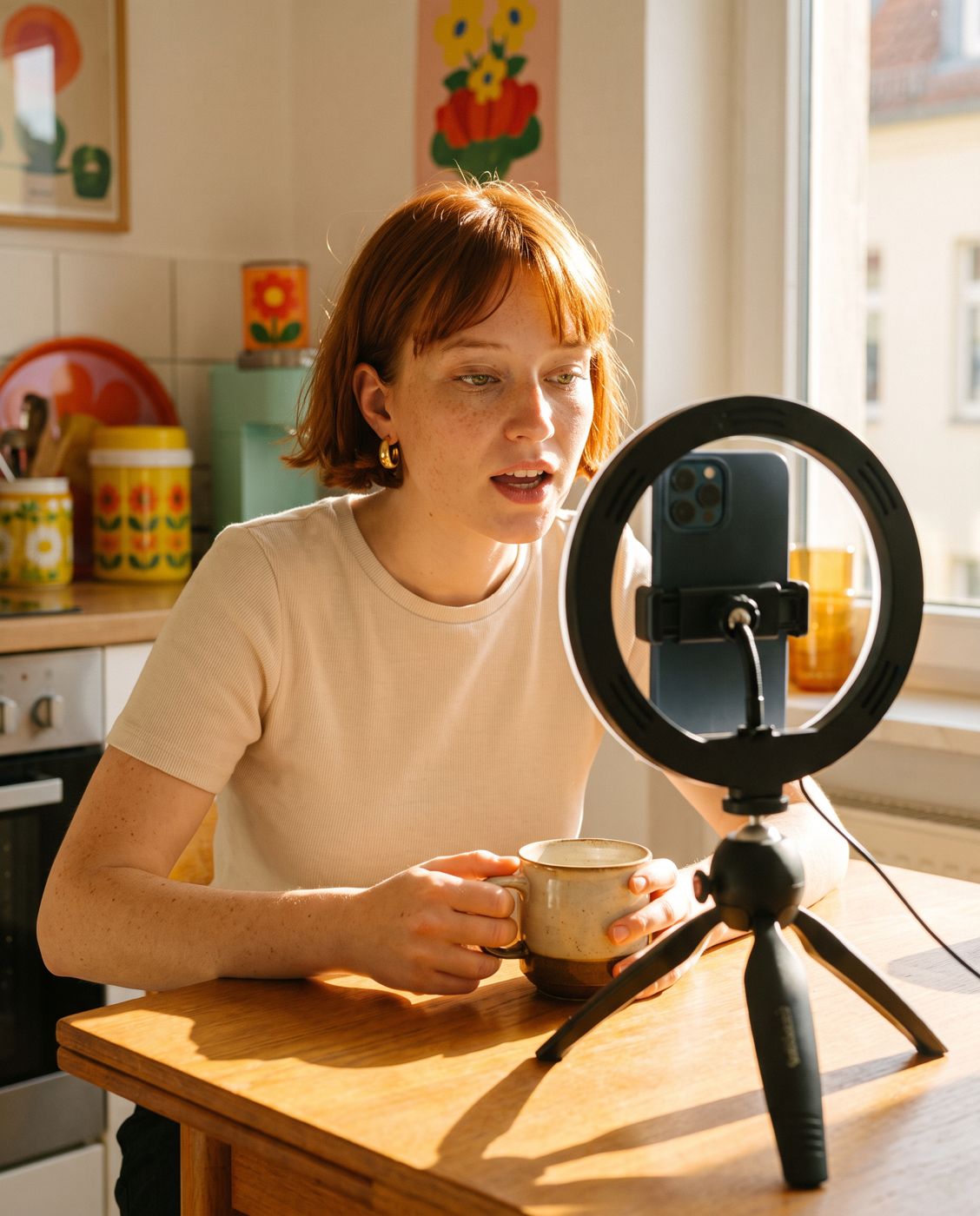
The full process is in our guide on how to create an AI influencer, and the basics are in what is an AI influencer.
Want one for your brand? Our AI influencer agency designs, builds and runs them, posting 2 to 3 times a day each.
Want an AI influencer built for your brand?
EditClub designs and runs brand-owned AI influencers: persona, consistent face, voice, accounts and 2 to 3 posts a day each, for $700 per influencer per month. Run one influencer or a network of dozens.
See the AI influencer offer