
What Is an AI Influencer? Definition, Examples and Should Your Brand Have One
 8 min read
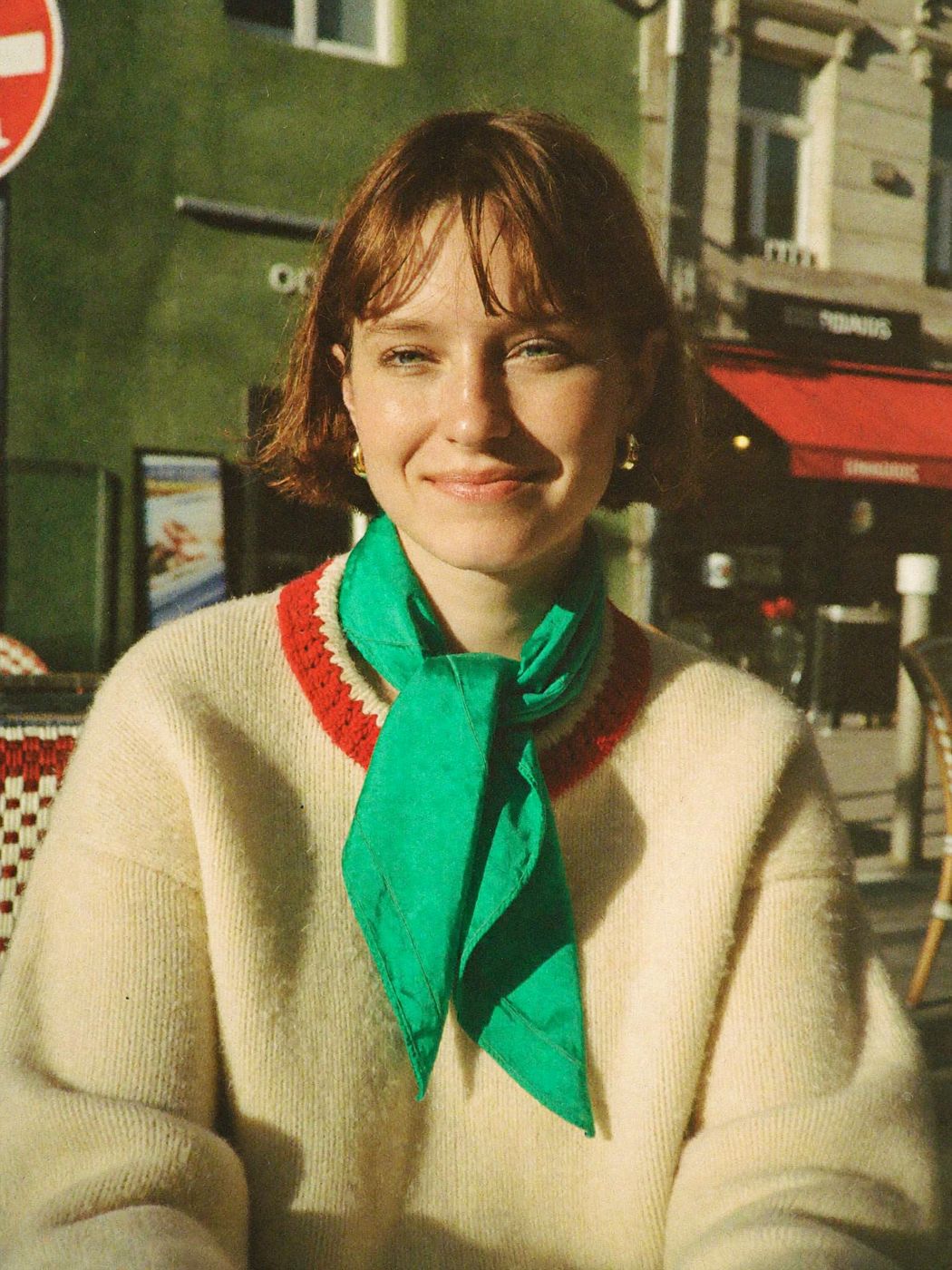
An AI influencer is a fictional person whose face, body and often voice are generated by artificial intelligence, and who posts on social media like a human creator: lifestyle content, product reviews, brand partnerships. Some are run by independent creators who sell sponsorships; others are owned by brands and act as their permanent spokesperson.
In short: an AI influencer is a computer-generated persona that creates content and promotes products on social media. Brands use them for control, availability and volume of content. The trade-offs are trust and engagement, which is why disclosure and a real personality matter.
AI influencer vs virtual influencer
The two terms are often used interchangeably, but there's a nuance:
- Virtual influencers came first. Characters like Lil Miquela (2016) or Shudu (2017) were built with 3D and CGI tools, often by teams of artists, image by image.
- AI influencers are generated with generative AI image and video models. They can be photorealistic, produced much faster, and animated into talking videos.
Today most new virtual influencers are made with AI, so the line has mostly disappeared. What matters more is who owns them.
The two kinds of AI influencers
| Independent AI influencer | Brand-owned AI influencer | |
|---|---|---|
| Who owns it | A creator or studio | The brand itself |
| How it earns | Sponsorships, like a human influencer | It doesn't: it sells the brand's products |
| Example | Lil Miquela, Aitana López, Imma | Lu do Magalu (Magazine Luiza), Barbie's vlog |
| For a brand | You rent its audience | You own the face, the content and the audience |
For brands, the second model is the interesting one: the influencer can't sign with a competitor, can't cause a scandal outside your control, and every piece of content it makes belongs to you. We list the best-known cases of both kinds in our virtual influencer examples.
How AI influencers are made
A modern AI influencer is built in layers: a written persona, a base portrait, a method to keep the face consistent across every image, a designed voice, and video models that animate the character. The full process is in our guide on how to create an AI influencer.

Why brands use AI influencers
- Control: the influencer says exactly what the brand approves, never goes off-script and never ages out of the brand.
- Availability: no schedules, no travel, no shoot days. A new video is a new script.
- Volume: one persona can front dozens of ad variations a week, which is what ad platforms reward.
- Ownership: the brand owns the face, the content and the rights, with no usage fees or expiry.
- Global reach: the same influencer can speak several languages and appear in any setting.
The limits
- Trust: opinions are split. In a 2025 survey of 4,000 US and UK consumers by the agency Billion Dollar Boy, 76% said they trust virtual influencers' product recommendations, but other surveys find a majority still prefer humans.
- Engagement: a 2026 study in the Journal of Advertising Research found virtual influencers generally get less engagement than humans, except for futuristic or tech products, where the effect reverses.
- Backlash when hidden: brands that used AI models without clear disclosure, like Guess in a 2025 ad in US Vogue, were heavily criticised.
The takeaway: an AI influencer works best when it's openly virtual, has a real personality, and is used where volume and consistency matter more than a celebrity name, such as paid social ads.
Do AI influencers have to be disclosed?
- US: the FTC's 2023 Endorsement Guides cover anyone or anything that appears to be a person, which the FTC confirmed includes virtual influencers.
- EU: Article 50 of the AI Act requires disclosure of realistic AI-generated content since 2 August 2026.
- France: influencer content showing an AI-generated face must carry « Images virtuelles ».
- Platforms: Meta, TikTok and YouTube all have AI labels for realistic synthetic content.
How much do AI influencers make, and cost?
On the earning side, the creators of Aitana López, a Spanish AI model, told Euronews she makes up to €10,000 in a good month, with around €3,000 on average. On the cost side, a brand building its own influencer can use tools for roughly $50 to $150 a month, or pay a production team a fixed fee for the full setup: persona, face, voice, content library and videos.
Should your brand have one?
An AI influencer is a good fit if you:
- Run paid social ads and need a constant flow of new creative.
- Struggle with the cost, delays or usage rights of human creators.
- Want a recognisable face for the brand without a celebrity contract.
- Sell in several markets or languages.
It's a weaker fit if your product depends on a real person's lived experience, like medical results, or if your audience strongly rejects AI content.
If it fits, our AI influencer agency builds and runs brand-owned AI influencers for you, from one influencer to a network of dozens.
Want an AI influencer built for your brand?
EditClub designs and runs brand-owned AI influencers: persona, consistent face, voice, accounts and 2 to 3 posts a day each, for $700 per influencer per month. Run one influencer or a network of dozens.
See the AI influencer offer